

Graffiti walls offer a vibrant and bold approach to color that reflects urban creativity. Their palettes combine unexpected hues, energetic contrasts, and rich textures. This raw and authentic color inspiration is perfect for handmade projects, especially for those looking to make unique jewelry, decorations, or art objects that stand out.
Using color schemes from graffiti allows crafters to tap into street culture without needing special skills or expensive tools – just a keen eye for cool combinations and accessible materials.
How Can You Extract Street-Inspired Color Palettes for Your DIY Projects?
Start by taking pictures of graffiti walls around your neighborhood or city. Focus on sections where the colors naturally harmonize. Use simple tools (like phone apps or online color pickers) to identify main colors and accents. Then, recreate these palettes with paint, beads, fabric, or paper at home.
This process is easy and engaging. It helps you explore color relationships such as:
- Complementary contrasts (like bright orange and deep blue)
- Analogous blends (shades of purple and pink)
- Bold triads (red, blue, yellow combinations)
These arrangements feel fresh because they come from real-world, spontaneous art.
What Kind of Color Palettes from Graffiti Work Best for Handmade Accessories?
Here are four popular types of street color schemes to try:
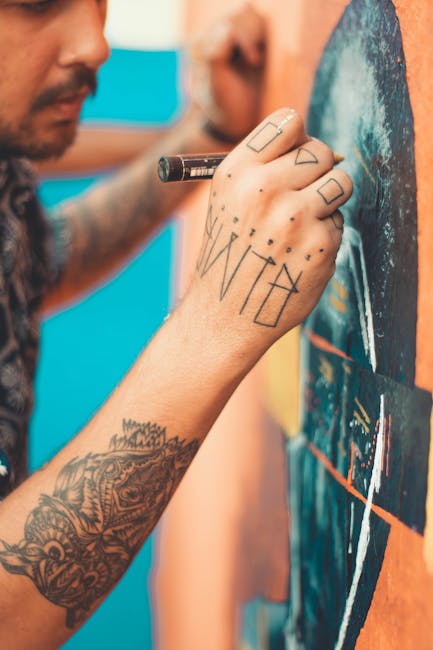
- Vibrant Neon Mix: Electric blues, hot pinks, neon greens, and bright yellows create a lively energy perfect for statement jewelry.
- Muted Earth Tones: Rusty reds, olive greens, warm browns, and grays offer a rustic and sophisticated feel great for natural material crafts.
- Pastel Graffiti Hues: Soft pinks, mint greens, pale yellows, and light blues give a fresh, gentle vibe ideal for delicate decorations.
- High-Contrast Bolds: Black, white, crimson, and cobalt tones generate sharp, graphic effects suited for modern art objects.
What Materials Are Best to Match These Color Palettes in Your Handmade Projects?
| Material | Advantages | Disadvantages | Best Uses |
|---|---|---|---|
| Acrylic Paint | Bright colors, easy to mix, fast drying | Can crack on flexible surfaces, less durable outdoor | Jewelry bases, wooden decorations, canvas art |
| Polymer Clay | Blends colors well, versatile shapes | Needs baking, some colors darken after baking | Beads, pendants, small sculptures |
| Colored Beads | Pre-made vivid colors, consistent tones | Limited color blending, size constraints | Bracelets, earrings, necklaces |
| Fabric / Felt | Textured surfaces, flexible, layered effects | Colors can fade, challenging to seal colors | Brooches, patches, mixed media crafts |
What Simple Techniques Enhance Street-Color Projects for Beginners?
Experimenting with graffiti-inspired colors does not require complex tools or skills. Here are three easy techniques to add style and depth:
- Layered Color Blocking: Use tape or stencils to create blocks of bright colors that mimic clean graffiti shapes.
- Splatter Effects: Flick paint over surfaces for dynamic, energetic textures.
- Gradient Blending: Blend two or more colors smoothly to simulate fading spray paint.
Expert advice from Jenna Lee, Handmade Jewelry Artist:
“Don’t be afraid to mix colors that clash at first glance. Graffiti thrives on unexpected combos, so trust your eye and let your pieces tell a bold story.”
What Are the Most Common Mistakes When Applying Graffiti Palettes to Handmade Crafts?
Many beginners try to copy street colors exactly without considering their materials or final look. Here are five pitfalls to avoid:
- Using too many colors: Overloading a piece can make it visually confusing rather than striking.
- Ignoring texture: Some colors lose impact on smooth surfaces compared to rough or textured ones.
- Poor color contrasts: Low contrast choices might make the design dull, losing the graffiti edge.
- Inconsistent scale: Colors that clash within small areas can feel chaotic.
- Neglecting color permanence: Not all paints or materials hold their vibrance equally over time.
Why Is Color Balance Important in Urban Inspired Handmade Creations?
Balancing colors lets your piece stay lively without overwhelming the viewer. Good balance means distributing bright and muted colors carefully, giving the eye rest spots and focal points. This makes your accessory or decoration visually appealing and professional.
Expert advice from Mark Davis, Urban Art Enthusiast and Craft Instructor:
“Start simple. Choose 3-5 core colors and build your design around them. This controlled approach helps capture graffiti energy without creating chaos.”
How Can You Combine Graffiti Colors with Everyday Wear and Decor?
Graffiti colors can add a fresh, artistic touch if used thoughtfully. Try pairing bright accessories with neutral clothing or placing bold art pieces against calm backgrounds. This contrast draws attention and shows your creativity clearly.
For example, a bracelet with neon pink and electric blue beads looks great with plain black or white outfits. A wall hanging with muted earth tones fits well in cozy, natural interiors.
What Should Beginners Know Before Starting with Graffiti-Inspired Handmade Projects?
Before you dive in, keep these tips in mind:

- Gather color inspiration photos and organize palettes in advance.
- Choose materials that match your color goals and skill level.
- Practice small test pieces to see how colors behave on your chosen medium.
- Keep your workspace clean to avoid unintended color mixing.
- Allow proper drying or setting time for the best finish.
Expert advice from Emma Johnson, DIY Blogger and Craft Mentor:
“Mistakes will happen, and that’s part of learning. Keep experimenting with color placement and material choice until you find your groove.”
What Are Some Inspiring Ideas to Get You Started Now?
Here are a few project ideas based on graffiti color palettes:
- Painted wooden earrings using neon-inspired color blocking.
- Polymer clay pendants with layered pastel graffiti gradients.
- Beaded bracelets mixing muted earth tones for autumn vibes.
- Decorative keychains featuring bold, high-contrast sprayed stencils.
Common FAQ: Which Colors Work Best Together in Graffiti Palettes?
There is no one-size-fits-all answer, but combinations that work include:
- Complementary pairs like purple and yellow, blue and orange
- Analogous blends such as red, pink, and orange
- Triadic schemes like red, yellow, and blue balanced evenly
Test palettes based on these rules, tweak as you go, and trust your personal taste.
What If Your Material Colors Don’t Match Your Inspiration Exactly?
This situation is common. Graffiti colors on walls can have complex shades that are hard to replicate perfectly. Focus instead on the mood and balance of the palette rather than exact tones. Using approximate shades that complement each other often creates equally attractive results.
How To Avoid Common Color Missteps in Handmade Projects?
- Don’t rely on a single photo for color selection; try sampling multiple walls.
- Test paints and beads under different light conditions to check color accuracy.
- Avoid mixing too many vibrant colors without a neutral base.
Under the Hood: Little-Known Facts About Graffiti Colors
This section dives into some surprising details about street art color use that can help your projects:
- Graffiti artists often layer dozens of spray paint layers, creating unique textures you can mimic with layering techniques in paint or clay.
- Some colors, like fluorescent greens and pinks, only show their true brightness under UV or natural light.
- The rough wall surfaces absorb colors unevenly, making some tones appear more natural than on smooth surfaces.
- Urban grime can dull colors over time; fresh graffiti usually has sharper contrasts you might want to replicate.
Why Choose Graffiti Wall Palettes for Your Handmade Projects?
Graffiti colors bring distinctive energy and originality to handmade crafts. They inspire bold color choices and fresh creative directions. With simple techniques and accessible materials, you can transform these street palettes into stunning jewelry, decorations, or art objects. Most importantly, working with graffiti-inspired colors builds your confidence to experiment and develop your unique style.